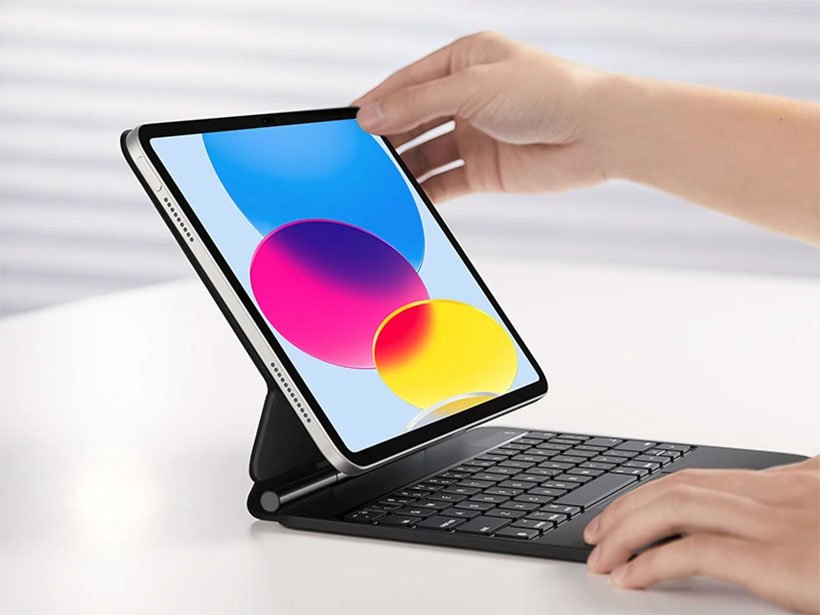
Your iPad 10th Gen keyboard isn't just an accessory; it's your gateway to productivity, creativity, and connection. Keeping it in top shape, through diligent Maintaining & Cleaning Your iPad 10th Gen Keyboard for Longevity, isn't just about aesthetics—it's about ensuring reliable performance and extending its life. Think of it as a small investment of time that pays off big, saving you frustration and potential replacement costs down the line.
Just like any well-used tool, your keyboard collects dust, crumbs, skin oils, and microscopic hitchhikers. Over time, this buildup can lead to sticky keys, unresponsive presses, or simply a less-than-pleasant typing experience. But don't worry, giving your keyboard the care it deserves is simpler than you might think.
At a Glance: Key Takeaways for Keyboard Care
- Routine is King: Regular, gentle cleaning prevents major issues.
- Gather Your Gear: You'll need just a few common household items.
- Safety First: Always power down and disconnect your iPad and keyboard before you start.
- Shake & Blast: Upside-down shaking and compressed air are your first line of defense against debris.
- Wipe & Sanitize: Microfiber cloths and isopropyl alcohol will tackle grime and germs.
- Patience, Please: Ensure everything is completely dry before reassembling.
Why Your iPad 10th Gen Keyboard Needs Regular TLC
Your iPad 10th Gen keyboard, whether it’s Apple's Smart Keyboard Folio or a third-party option, is constantly exposed to the elements of your daily life. Every snack break, every hurried email, every moment of creative flow leaves its mark. Over time, the subtle accumulation of dust, skin oils, crumbs, and even tiny fabric fibers can begin to impact its functionality.
Think about it: beneath those sleek keys are sensitive mechanisms. A single crumb lodged in the wrong place can make a key feel mushy or completely unresponsive. The oils from your fingertips can build up, leaving a noticeable sheen and potentially degrading the keycap surface over years. Beyond performance, there's the hygiene factor; keyboards are notorious hotspots for germs. Regular cleaning isn't just about maintaining its snappy performance; it's about keeping your interactive space clean and pleasant to use.
Before You Begin: The Essential Prep Work
Before you dive into cleaning, a little preparation goes a long way toward ensuring safety and effectiveness. This isn't a step to skip – it protects both you and your valuable tech.
Power Down & Disconnect: Safety First!
This is non-negotiable. Attempting to clean an active or connected keyboard can lead to accidental key presses, potential damage to your iPad, or even short circuits if liquid somehow gets in.
- Disconnect: If your keyboard is physically connected (like the Smart Keyboard Folio), detach it from your iPad. For Bluetooth keyboards, simply disconnect.
- Power Off Your iPad: Press and hold the power button (usually the top button on the iPad) until the "slide to power off" slider appears. Drag the slider to the right to completely shut down your iPad. This ensures there's no power running to the device or any connected accessories, making the cleaning process much safer. (Source 1)
Gathering Your Cleaning Arsenal
You don't need fancy, expensive gadgets to clean your iPad keyboard effectively. Most of the tools you'll need are likely already around your home.
Here's your essential checklist:
- Soft Microfiber Cloths: You’ll want at least two—one dry for dusting, and one slightly damp for sanitizing. These are crucial because they're gentle, lint-free, and highly effective at trapping dust and oils without scratching surfaces.
- Can of Compressed Air: This is your secret weapon for dislodging stubborn debris caught between keys. Make sure it comes with a thin straw attachment for precision.
- Isopropyl Alcohol (70% concentration): Often referred to as rubbing alcohol, this is excellent for sanitizing and cutting through grime without damaging electronics. The 70% concentration is generally recommended as it evaporates quickly and is effective against germs. (Source 1 & 2)
- Cotton Swabs: Perfect for tackling small, hard-to-reach crevices and very stubborn stains.
- Small Bowl of Warm Water with Mild Dish Soap (Optional): For tougher, non-electronic surface grime on the exterior of the keyboard, a very mild, diluted soap solution can be effective. Use sparingly and with extreme caution to avoid liquid ingress. (Source 1)
Step-by-Step: Deep Cleaning Your iPad 10th Gen Keyboard
With your iPad powered down and your tools ready, it's time to give your keyboard the thorough clean it deserves. Work systematically to ensure no spot is missed and no damage occurs.
1. The Initial Shake-Out: Gravity is Your Friend
This simple step can dislodge a surprising amount of debris.
- Hold your keyboard upside down over a trash can.
- Gently shake and tap it a few times. Don't be too forceful; you just want to let gravity do its job. You might be amazed at the crumbs, dust bunnies, and other particles that fall out. (Source 1)
2. Blast Away the Crud with Compressed Air
For anything still clinging on, compressed air is the next step. It allows you to target those tiny gaps between keys where debris loves to hide.
- Attach the straw to your can of compressed air.
- Hold the can upright and spray in short, controlled bursts.
- Technique is key: Hold the keyboard at a slight angle. Direct the air stream along the rows of keys, moving from left to right, then top to bottom. This technique helps push debris out rather than simply lodging it deeper. (Source 1)
- Important: Avoid spraying too close or too forcefully. Excessive pressure or moisture from the propellant can damage the key mechanisms. Keep the can upright to prevent propellant from spraying out.
3. Wipe Down the Surface: First Pass for Visible Dirt
Now that the loose debris is gone, it’s time to tackle the visible dirt and oils on the surface.
- Take a clean, dry microfiber cloth.
- Gently wipe down all the keys and the surrounding surface of the keyboard. This will remove most of the surface dust and light grime. (Source 2)
4. Sanitize and Tackle Stubborn Stains
This step is where you sanitize and remove any lingering grime or fingerprints.
- Dampen, Don't Soak: Lightly dampen a fresh microfiber cloth with 70% isopropyl alcohol. It should be moist, not dripping wet. Alternatively, you can use a dedicated screen cleaning solution (check for electronics-safe formulations). (Source 1 & 2)
- Wipe Keys and Surface: Gently wipe down each key and the entire keyboard surface. Pay extra attention to the keys you touch most frequently (like the spacebar, enter, and often-used letters). The alcohol will evaporate quickly, taking oils and grime with it and killing most surface germs.
- Target Stubborn Spots: For very stubborn spots, or dirt wedged along the edges of keys, dip a cotton swab in 70% isopropyl alcohol. The smaller tip allows for precise cleaning without oversaturating the area. (Source 2)
- Critical Warning: Never spray liquid directly onto the keyboard. The goal is to apply moisture to the cloth or swab and then transfer it to the surface. Any liquid seeping into the internal components could cause irreparable damage. (Source 2)
5. The Drying Game: Patience is a Virtue
This final step is crucial for preventing electrical issues.
- After cleaning, allow the keyboard to air dry completely. Isopropyl alcohol evaporates quickly, but it’s always best to be absolutely sure.
- Avoid using heat (like a hairdryer) to speed up drying, as this could damage the keyboard's plastic components or internal circuitry.
- Once you're confident it's completely dry, you can reattach it to your iPad. (Source 1 & 2)
Preventative Care: Keeping Your Keyboard Pristine Between Cleans
Regular deep cleans are important, but daily habits can significantly reduce the need for intensive cleaning and prolong your keyboard's life.
- Mind Your Munchies: The number one culprit for sticky keys and lodged crumbs? Eating over your keyboard. Try to avoid eating or drinking directly over your iPad setup. If you must, consider a barrier or be extra careful.
- Quick Dust-Offs: Keep a clean, dry microfiber cloth handy. A quick wipe down every couple of days can prevent dust and oils from building up into stubborn grime.
- Proper Storage: When not in use, especially if transporting your iPad, ensure the keyboard is protected. Many iPad 10th generation keyboard options double as protective cases, keeping the keys safe from external debris and accidental spills in your bag.
- Clean Hands: Make it a habit to wash or sanitize your hands before extensive typing sessions. This reduces the transfer of skin oils and germs to the keyboard surface.
Common Pitfalls to Avoid: What NOT to Do
Knowing what to avoid is just as important as knowing what to do when it comes to cleaning sensitive electronics. A wrong move can do more harm than good.
- Harsh Chemicals and Abrasives: Steer clear of window cleaners, household disinfectants, bleach, or abrasive pads. These can strip protective coatings, damage keycap finishes, or even corrode internal components. (Source 2)
- Spraying Liquids Directly: As mentioned, never spray any liquid directly onto the keyboard. Even water can find its way into the smallest crevices and cause shorts or corrosion.
- Excessive Force: There's no need to scrub vigorously. Gentle wiping and light air blasts are all that's required. Excessive force can dislodge keys, wear down finishes, or damage internal mechanisms.
- Not Powering Off: Cleaning a powered-on device is risky. It can trigger unintended inputs or, worse, lead to electrical damage if liquid comes into contact with live circuitry.
- Ignoring Spills: If you do spill liquid on your keyboard, disconnect it from your iPad immediately, power off your iPad, and dry the keyboard with a towel. Do not try to use it until you are absolutely certain it is completely dry. (Source 2)
- Using a Vacuum Cleaner: While seemingly effective for debris, the suction from a powerful vacuum cleaner can actually pull off keycaps or damage the delicate scissor mechanisms underneath. Stick to compressed air.
When to Call for Backup (or Consider a Replacement)
Despite your best cleaning efforts, some issues might persist, or new problems might arise. Cleaning is a maintenance task, not a repair solution for hardware failure.
- Persistent Unresponsiveness: If a key consistently refuses to work even after thorough cleaning, it might indicate a mechanical failure.
- Physical Damage: Cracks, broken keycaps, or a damaged connector port are usually beyond the scope of a cleaning fix.
- Connection Issues: If your keyboard is no longer reliably connecting to your iPad, whether it’s a Smart Connector or Bluetooth model, the problem might be with the internal electronics or the connector itself, not just dirt.
In these situations, it's often best to consult Apple Support or consider replacing the keyboard. With various iPad 10th generation keyboard options available, you can find a suitable replacement that gets you back to typing efficiently.
Your Keyboard, Rejuvenated
Taking a little time to maintain and clean your iPad 10th Gen keyboard isn't just about aesthetics; it's a proactive step that safeguards your investment, ensures a comfortable and efficient typing experience, and ultimately extends the working life of your accessory. By integrating these simple habits into your routine, you'll keep your keyboard performing at its best, ready for whatever you throw at it—or, more accurately, whatever you type on it. A clean keyboard isn't just a happier keyboard; it's a reflection of smart, mindful tech ownership.