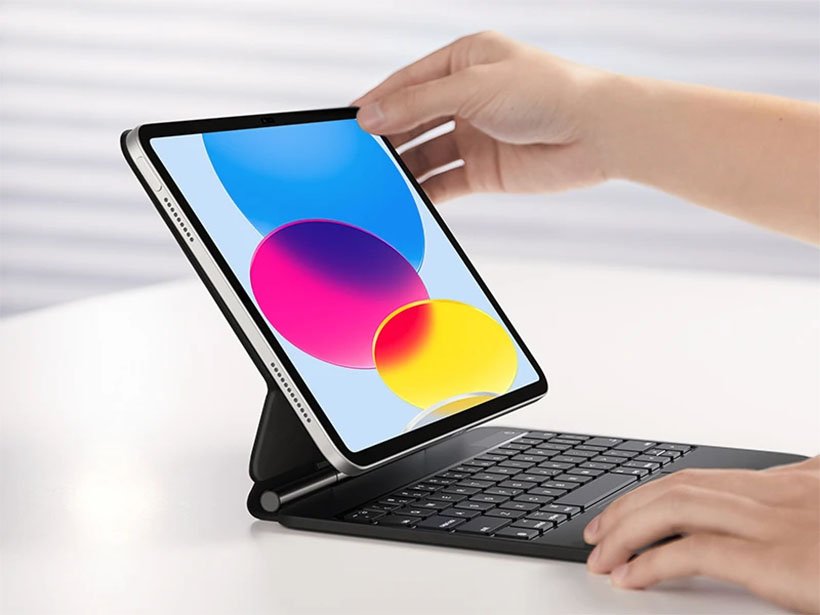
So, you've got the vibrant, versatile iPad 10th Generation in hand, and you're ready to unlock its full potential. While it’s fantastic for media consumption and casual browsing, adding a keyboard transforms it into a true productivity powerhouse – a portable workstation that can handle anything from drafting emails to crunching spreadsheets or even writing your next great novel. But with a sea of options out there, how do you choose? Understanding the key features to look for in an iPad 10th Gen keyboard is paramount to making the right investment.
Think of this guide as your trusted co-pilot, navigating you through the world of iPad keyboards. We’ll cut through the marketing jargon and focus on what truly matters, ensuring you pick a keyboard that feels less like an accessory and more like an extension of your creative and professional workflow.
At a Glance: Your Quick Keyboard Checklist
Before we dive deep, here’s a snapshot of the most crucial elements to consider:
- Connection Method: Smart Connector for seamlessness, Bluetooth for versatility.
- Trackpad Integration: Essential for productivity and natural iPadOS navigation.
- Typing Feel & Key Travel: Subjective, but critical for comfort and speed.
- Backlighting: A must-have for working in varied lighting conditions.
- Protection & Portability: Balancing durability with how easily you can carry it.
- Build Quality & Durability: Ensures your investment stands the test of time.
- Price & Value: Aligning features with your budget and expectations.
Why Your iPad 10th Gen Deserves a Dedicated Keyboard
Your iPad 10th Generation is a marvel of modern technology, offering a fantastic balance of power, portability, and a gorgeous Liquid Retina display. While the on-screen keyboard is perfectly adequate for quick messages, any sustained typing effort quickly highlights its limitations. External keyboards for iPad provide an amazing typing experience, boosting your efficiency significantly. Beyond just typing, many also offer lightweight, durable protection, making your iPad ready for the rigors of daily life.
The iPad 10th generation fully supports external keyboards through various methods:
- Smart Connector: A magnetic, instant connection that eliminates the need for pairing or charging the keyboard separately. It's the most seamless option, but model-specific.
- Bluetooth: A universal wireless standard that offers flexibility, allowing you to pair keyboards with multiple devices.
- Wired USB-C: A less common but reliable option for some standalone keyboards.
Choosing the best keyboard isn't about finding the "most expensive" or "most feature-rich" option; it's about aligning the keyboard's capabilities with your personal priorities, usage habits, and budget.
Integrated Keyboard Cases vs. Standalone Keyboards: A Fundamental Choice
Before dissecting individual features, let's address a core decision: do you want an integrated keyboard case that hugs your iPad, or a standalone keyboard that you can use separately? Each approach has its merits, and many users even find value in having both.
Integrated Keyboard Cases: The All-in-One Solution
These keyboards combine a protective case with a built-in keyboard, often connecting via the Smart Connector.
Pros:
- Convenience: An all-in-one package, ready to go when you are.
- Seamless Smart Connector Functionality: Instant connection, no pairing, no separate charging (keyboard draws power directly from the iPad).
- Integrated Trackpads: Often include a trackpad, crucial for a laptop-like experience and full iPadOS gesture support.
- Protection: Many offer comprehensive front, back, and corner protection, safeguarding your iPad from everyday bumps and drops.
Cons: - Added Weight & Bulk: Integrated cases can significantly increase your iPad's weight and thickness, sometimes doubling it.
- Fixed Connection: Less flexibility if you want to use the iPad without the keyboard attached, though some, like Apple's Magic Keyboard Folio, offer detachable designs.
- Potential Typing Compromises: Some compact designs might compromise on key size or travel compared to dedicated standalone keyboards.
Standalone Bluetooth Keyboards: Flexibility Unleashed
These are separate keyboards that connect wirelessly via Bluetooth, requiring no physical attachment to your iPad.
Pros:
- Superior Typing Flexibility: You can position your iPad at any angle or distance, and use the keyboard in the most ergonomic setup.
- Universal Multi-Device Compatibility: Most Bluetooth keyboards can pair with your iPad, iPhone, MacBook, or even a PC, often switching between devices with a button press.
- Better Key Feel & Layout: Freed from the constraints of an integrated case, standalone keyboards often offer more generous key travel, larger keys, and more robust construction, including options for mechanical switches.
- Better Value: You can often find excellent standalone keyboards at a fraction of the cost of integrated cases.
- Lighter iPad: When the keyboard isn't needed, your iPad remains lightweight and thin.
Cons: - Separate Case Needed: You'll need a separate protective case for your iPad if you want protection on the go.
- Separate Packing: You have two items to carry instead of one.
- Bluetooth Connection Management: Requires initial pairing and occasional recharging, though battery life is often excellent.
- Lack of Integrated Trackpads: If you want a trackpad, you'll need to purchase a separate Bluetooth mouse or trackpad, which can lack the precision and integration of built-in solutions.
For many, the ideal setup involves both: an integrated keyboard case for on-the-go productivity and comprehensive protection, and a premium standalone Bluetooth keyboard for extended desk-bound work where ergonomics and typing experience are paramount.
Essential Features: Your iPad 10th Gen Keyboard Buying Checklist
Now, let's break down the specific features that will define your experience.
1. Connection Method: Smart Connector vs. Bluetooth
This is perhaps the most fundamental feature to consider, influencing everything from reliability to compatibility.
Smart Connector: The Apple-Designed Experience
The iPad 10th Gen features a Smart Connector along its long edge, designed for accessories like the Apple Magic Keyboard Folio and the Logitech Combo Touch.
- Pros:
- Instant Connection: No pairing process, no settings menus. Just attach it, and it works.
- No Charging Required: The keyboard draws power directly from your iPad, so you never have to worry about a separate keyboard battery.
- Reliability: A physical connection is inherently more stable than wireless, with no dropped signals or lag.
- Security: Less susceptible to wireless interference or security concerns compared to Bluetooth.
- Cons:
- Model-Specific: Smart Connector keyboards are designed for specific iPad models, meaning a keyboard for an iPad 10th Gen won't work with an iPad Air or Pro, and vice-versa.
- Less Flexible Positioning: The keyboard must be physically connected to the iPad, limiting how far apart or at what angles you can position them relative to each other.
Bluetooth: The Universal Adapter
Bluetooth keyboards are wireless and connect via your iPad's Bluetooth settings.
- Pros:
- Universal Compatibility: Works with virtually any iPad, iPhone, Mac, or PC. Many support multi-device pairing, letting you switch between devices with a button press.
- Flexible Positioning: You can place your iPad on a stand and use the keyboard on your lap, or at a comfortable distance.
- Wider Selection: The market for Bluetooth keyboards is vast, offering a huge range of layouts, key types (including mechanical), and price points.
- Cons:
- Requires Pairing: Initial setup involves a quick pairing process.
- Needs Recharging/Batteries: Bluetooth keyboards have their own power source (rechargeable battery or disposable AAAs), meaning another device to keep charged or replace batteries for.
- Potential for Lag/Interference: While generally reliable, Bluetooth connections can occasionally experience minor lag or interference in busy wireless environments.
Decision Point: If ultimate simplicity, reliability, and an integrated case are your top priorities, a Smart Connector keyboard is ideal. If you value flexibility, multi-device compatibility, or prefer a specific standalone keyboard style, Bluetooth is your friend.
2. Trackpad Integration: A Game Changer for Productivity
The introduction of full mouse and trackpad support in iPadOS transformed the iPad from a touch-first device to a legitimate laptop alternative. A keyboard with an integrated trackpad is, for many, a non-negotiable feature for serious productivity.
- Crucial for Productivity: Navigating iPadOS with a cursor is incredibly efficient, especially for text editing, selecting items, or working with complex apps. It drastically reduces the need to reach up and touch the screen.
- iPadOS Gestures: Integrated trackpads support Multi-Touch gestures, allowing you to swipe between apps, open the App Switcher, or access the Dock with familiar motions, just like on a MacBook.
- Size Matters: Larger trackpads generally offer a more comfortable and precise experience. Look for ones that are responsive and offer haptic feedback, mimicking the premium feel of Apple's own trackpads.
- Options:
- Apple Magic Keyboard Folio: Features a responsive trackpad with full iPadOS gesture support.
- Logitech Combo Touch: Offers a generous trackpad, also with full iPadOS gesture support.
- ZAGG Pro Keys: Notably lacks a trackpad, catering to users who prioritize protection and a detachable keyboard without the need for cursor navigation.
Decision Point: If your iPad is a primary work device, a keyboard with an integrated trackpad is a strong recommendation. If your usage is more casual, or you prefer a separate mouse, then a trackpad might not be essential, potentially saving you money and reducing bulk.
3. Typing Experience: Keys That Feel Right
The feel of the keys is highly subjective but profoundly impacts comfort, speed, and long-term typing satisfaction. This encompasses key travel, tactile feedback, and the overall layout.
- Key Travel: Refers to how far a key moves down when pressed.
- Short Travel (e.g., Apple's 1mm scissor-switches): Offers a crisp, responsive feel, often found in thin keyboards.
- Deeper Travel (e.g., Logitech's 1.2mm keys): Can provide a more satisfying, "thunkier" feel, often preferred by touch typists.
- Mechanical Switches (standalone keyboards): Offer distinct tactile bumps or audible clicks, beloved by enthusiasts for their precision and feedback.
- Tactile Feedback: The physical sensation you get when a key registers a press. Some prefer a soft, silent press, while others enjoy a distinct "bump" or click.
- Scissor-Switch Mechanism: Commonly used in slim laptop and integrated iPad keyboards, offering stability and a consistent feel across the keycap. Both Apple's Magic Keyboard Folio and Logitech's Combo Touch utilize variations of this reliable mechanism.
- Function Row: A dedicated row of 14 keys at the top for quick access to iPadOS functions like screen brightness, media controls, volume, search, and home. This is a huge convenience, saving you from navigating menus. Both the Magic Keyboard Folio and the Logitech Combo Touch include a full function row.
- Key Size & Spacing: Ensure the keys aren't too cramped for your hands, especially if you have larger fingers.
- Layout: Most keyboards will offer a standard QWERTY layout. Familiarity with the layout will enhance your typing speed and comfort.
Decision Point: Test-drive if possible. Apple's Magic Keyboard Folio offers a premium, MacBook-like feel. Logitech Combo Touch provides excellent travel and a slightly softer landing. ZAGG Pro Keys offers satisfying tactile feedback. For standalone options, consider the highly regarded Apple Magic Keyboard or explore mechanical options like Keychron for a truly bespoke typing experience.
4. Backlighting: Work Smarter, Day or Night
Backlit keys are a game-changer if you often work in dim environments, on planes, or in bed.
- Improved Usability: Makes typing effortless in low light, reducing eye strain and errors.
- Adjustable Brightness: Premium models allow you to adjust the backlight intensity to suit your environment.
- Smart Backlighting: Some advanced standalone keyboards (like the Logitech MX Keys Mini) feature smart backlighting that adjusts automatically to ambient light and turns off when you step away.
Decision Point: If you frequently work outside of brightly lit offices, backlighting is a feature worth investing in. The Logitech Combo Touch includes backlit keys, while Apple's Magic Keyboard Folio does not (a notable omission at its price point).
5. Protection & Portability: Guarding Your Investment
An iPad is a portable device, and its accessories should enhance, not hinder, that portability while keeping it safe.
- Integrated Case Design: Many keyboards double as cases, offering front, back, and corner protection.
- Full Wraparound Protection: Solutions like the Logitech Combo Touch encase your iPad completely, often with rugged, fabric-covered exteriors, providing military-grade drop protection.
- Front/Back Protection: Apple's Magic Keyboard Folio covers both the front and back, but leaves the sides slightly more exposed than a full wraparound case.
- Detachable Keyboard: Keyboards like the Magic Keyboard Folio and Logitech Combo Touch allow you to detach the keyboard while leaving the protective back panel on, offering flexibility to switch between typing and tablet mode easily.
- Adjustable Stand: An infinitely adjustable kickstand (as seen on the Logitech Combo Touch) or a multi-angle hinge (like the Magic Keyboard Folio) is crucial for finding the perfect viewing angle for typing, drawing, or watching media.
- Weight and Bulk: Consider how much extra weight and thickness the keyboard adds. Integrated cases can make the iPad significantly heavier. If maximum portability is key, a lighter standalone Bluetooth keyboard paired with a slim cover might be preferable. For comparison, integrated cases can nearly double the iPad's weight, while standalone options are often much lighter.
- Apple Pencil Storage: If you use an Apple Pencil, look for cases with an integrated loop or magnetic holder to keep it secure. The ZAGG Pro Keys, for instance, includes dedicated Apple Pencil storage.
Decision Point: Prioritize comprehensive protection and versatility for travel? The Logitech Combo Touch is a strong contender. If you value a slim profile and the Apple aesthetic, the Magic Keyboard Folio is appealing. For maximum protection combined with keyboard removability, the ZAGG Pro Keys might suit you, though you'll forgo a trackpad.
6. Build Quality & Materials: Longevity Matters
A keyboard for a premium device like the iPad 10th Gen should feel robust and durable.
- Materials: Look for quality materials like aluminum (Apple's standalone Magic Keyboard), durable plastics, or sturdy fabrics (Logitech Combo Touch).
- Hinge Durability: For integrated cases, pay close attention to the hinge mechanism. It will likely endure frequent adjustments.
- Key Durability: Keys should feel solid and not wobble.
- Warranty & Reviews: Check the manufacturer's warranty and read user reviews for insights into long-term reliability and common issues.
Decision Point: Apple's accessories are known for premium build. Logitech also has a strong reputation for durable, well-made products. Don't skimp on build quality if you expect your keyboard to last for years.
7. Price & Value: Balancing Budget and Features
iPad keyboards span a wide price range, from budget-friendly Bluetooth options around $20-40 to premium integrated cases exceeding $200.
- Premium Integrated Cases (e.g., Apple Magic Keyboard Folio): Offer seamless integration, often superior typing feel, and the "Apple aesthetic," but come at a high cost ($249).
- Mid-Range Integrated Cases (e.g., Logitech Combo Touch, ZAGG Pro Keys): Provide excellent functionality, protection, and often great value for money ($100-160). These often hit the sweet spot for many users.
- Standalone Bluetooth Keyboards: Offer the most flexibility in terms of budget and features ($20-160+). You can find everything from ultra-slim budget options to high-end mechanical keyboards.
Decision Point: Set a realistic budget, then prioritize the features that matter most to you. Sometimes, paying a little more for a feature like a trackpad or backlighting can dramatically improve your overall experience and productivity.
Top Contenders for Your iPad 10th Gen: A Closer Look
Let's apply these features to the most popular and recommended keyboards specifically for the iPad 10th Generation. For a more comprehensive look at all available options, including those compatible with other models, you can check out our guide on Keyboards for iPad 10th generation.
Apple Magic Keyboard Folio ($249)
The official Apple solution, designed specifically for the iPad 10th Gen.
- Connection: Smart Connector.
- Trackpad: Yes, responsive, with full iPadOS gesture support.
- Typing Feel: Premium scissor-switch keys (1mm travel), similar to MacBooks, 14-key function row.
- Backlighting: No. A significant drawback for many users at this price point.
- Protection & Portability: Two-piece magnetic design (detachable keyboard, magnetic back panel), adjustable stand, offers front/back protection but sides are somewhat exposed. Adds bulk.
- Build Quality: Signature Apple premium aesthetic and materials.
- Value: Expensive, especially considering the lack of backlighting and less comprehensive protection compared to some competitors.
Best for: Apple enthusiasts who prioritize seamless integration, a MacBook-like typing experience, and the official Apple aesthetic, and don't need backlighting or rugged protection.
Logitech Combo Touch ($130-160)
A highly recommended third-party option known for its value and robust features.
- Connection: Smart Connector.
- Trackpad: Yes, generous size, responsive, with full iPadOS gesture support.
- Typing Feel: Backlit keys (1.2mm travel), providing a satisfying, tactile feel. Includes a full 14-key function row.
- Backlighting: Yes, adjustable.
- Protection & Portability: Full wraparound fabric-covered case, offering excellent comprehensive protection (including corners and sides). Detachable keyboard and an infinitely adjustable kickstand. Slightly heavier and bulkier than the Magic Keyboard Folio.
- Build Quality: Durable fabric exterior, sturdy construction, good reputation for longevity.
- Value: Excellent value, providing comprehensive features and protection at a significantly lower price than Apple's offering.
Best for: Users seeking the best balance of typing experience, a trackpad, comprehensive protection, backlighting, and versatility, all at a competitive price. It’s often considered superior for travel due to its protection.
ZAGG Pro Keys ($100-130)
A versatile option that prioritizes protection and keyboard removability.
- Connection: Bluetooth (completely removable keyboard).
- Trackpad: No. This is its biggest omission.
- Typing Feel: Satisfying tactile feedback, iOS function keys.
- Backlighting: Yes, often 7-color backlighting options.
- Protection & Portability: Rugged case with military-grade drop protection, includes Apple Pencil storage. Keyboard is completely removable, allowing for use in tablet mode without the keyboard attached.
- Build Quality: Robust and designed for durability.
- Value: Good value if you prioritize robust protection and a removable keyboard, and don't need a trackpad.
Best for: Users who need military-grade drop protection, appreciate a fully detachable Bluetooth keyboard, and are willing to forgo an integrated trackpad for these benefits.
Considering Standalone Bluetooth Keyboards
If an integrated case isn't your priority, a standalone Bluetooth keyboard paired with a simple case or stand offers immense flexibility.
- Apple Magic Keyboard ($99): The gold standard for standalone typing. Features Apple's scissor-switch keys (1mm travel), rechargeable, aluminum build, but no backlight.
- Logitech K380 Multi-Device Bluetooth Keyboard ($30-40): Compact, round pebble keys, pairs with up to three devices, excellent battery life. A fantastic budget choice for casual use.
- Logitech MX Keys Mini ($99): Premium typing experience with spherically-dished keys, smart backlighting, USB-C rechargeable, and multi-device support. Ideal for a desktop setup.
- Keychron K3 Ultra-Slim Mechanical Keyboard ($70-90): For the mechanical keyboard enthusiast. Hot-swappable switches, RGB backlighting, slim aluminum build.
- Omoton Ultra-Slim Bluetooth Keyboard ($20): A budget champion with full-size scissor-switch keys, a thin metallic design, and long battery life.
Best for: Users who want to use their iPad more like a desktop computer, value ergonomic flexibility, require multi-device support, or have specific preferences for typing feel (e.g., mechanical).
Beyond the 10th Gen: Quick Compatibility Notes
While this guide focuses on the iPad 10th Generation, it's worth noting that Smart Connector/magnetic keyboards are model-specific. For example:
- The Magic Keyboard for iPad Pro (with its aluminum palm rest, USB-C pass-through, and floating design) is exclusively for iPad Pro models.
- The Magic Keyboard (for iPad Air) fits the iPad Air (4th, 5th, and M2/M3 generations) due to its shared form factor with the 11-inch iPad Pro.
Always double-check compatibility before purchasing a Smart Connector or magnetic keyboard case. Standalone Bluetooth keyboards, however, are largely universal.
FAQs: Answering Your Burning Questions
Can my iPad 10th Gen use the Magic Keyboard designed for iPad Pro or iPad Air?
No, the iPad 10th Generation is only compatible with the Apple Magic Keyboard Folio. The Magic Keyboard for iPad Pro/Air uses a different Smart Connector placement and form factor.
Do iPad keyboards work with all iPad models?
Smart Connector and magnetic keyboard cases are model-specific due to differences in physical dimensions and Smart Connector placement. Standalone Bluetooth keyboards, however, are generally universal and will work with any iPad (or other device) that supports Bluetooth.
How long do iPad keyboard batteries last?
Keyboards that use the Smart Connector (like the Magic Keyboard Folio or Logitech Combo Touch) draw power directly from your iPad, so they don't have their own batteries and never need charging. Bluetooth keyboards vary: rechargeable models typically last 1-3 months on a single charge (less if backlighting is constantly on), while those using AAA batteries can last 6-12 months or even years.
Can I use an iPad keyboard with my MacBook or other devices?
Smart Connector keyboards are iPad-exclusive. Bluetooth keyboards, however, are often multi-device compatible, meaning you can pair them with your iPad, MacBook, iPhone, Android tablet, or PC and switch between them with dedicated function keys.
Are cheap iPad keyboards worth it?
For casual users, occasional typing, or those on a very tight budget, cheap Bluetooth keyboards (like the Omoton Ultra-Slim) can offer decent value. However, for extensive professional typing, demanding durability, or a refined typing feel, investing in a mid-range or premium option will generally lead to a much better experience and longer lifespan. You often get what you pay for in terms of build quality, key feel, and reliability.
Does using a keyboard drain my iPad battery faster?
Smart Connector keyboards draw power from your iPad, but the impact is usually minimal, around a 10-15% increased drain over sustained use. Bluetooth keyboards have a negligible impact on your iPad's battery beyond the energy used for the Bluetooth radio transmission itself, as they have their own power source.
Making Your Final Decision: Your Ideal Typing Companion Awaits
Choosing the perfect keyboard for your iPad 10th Generation boils down to balancing your budget with your daily use cases, portability needs, and personal typing preferences. Each feature we've discussed plays a role in defining your overall experience.
- If you demand the absolute pinnacle of seamless Apple integration, a MacBook-like typing experience, and appreciate a clean aesthetic (and can live without backlighting), the Apple Magic Keyboard Folio ($249) might be your premium pick.
- For the vast majority of users, the Logitech Combo Touch ($130-160) represents the best all-around value. It delivers excellent typing, a fantastic trackpad, comprehensive protection, and essential backlighting at a significantly more approachable price point. It’s a workhorse that covers almost all bases.
- If rugged protection and a fully detachable Bluetooth keyboard are paramount – and you don't require an integrated trackpad – the ZAGG Pro Keys ($100-130) offers a compelling package.
- For those who want ultimate flexibility, a specific typing feel (like mechanical switches), or already have a preferred case, exploring standalone Bluetooth keyboards ($20-99+) like the reliable Logitech K380 or the premium MX Keys Mini, offers a world of choice.
Consider how and where you typically use your iPad. Are you mostly at a desk, commuting, or moving between locations? Do you write emails, code, or just send quick messages? Your answers will guide you to the keyboard that transforms your iPad 10th Gen into the productivity hub you've always wanted. Happy typing!